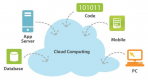
Course Outline
Course Outline
Module 1: Introduction to Cloud Computing
- What constitutes cloud computing?
- The evolution from on-premises solutions to the cloud
- The rationale for cloud adoption: Understanding the shift
- Addressing common misconceptions about the cloud
Module 2: Core Cloud Terminologies Explained
- Compute, storage, and networking within the cloud
- Concepts of elasticity, scalability, availability, and redundancy
- Virtual machines, containers, and serverless architectures
- APIs and cloud-native applications
Module 3: Cloud Deployment Models
- Public cloud environments
- Private cloud environments
- Hybrid cloud configurations
- Multi-cloud strategies and their appropriate use cases
Module 4: Cloud Service Models
- Infrastructure as a Service (IaaS)
- Platform as a Service (PaaS)
- Software as a Service (SaaS)
- Real-world examples illustrating each model
Module 5: Cloud vs. On-Premises Infrastructure
- Capital expenditure versus operational expenditure
- Flexibility and agility advantages
- Maintenance, patching, and scaling operations
- Differences in security and compliance
Module 6: Business Value and Benefits of the Cloud
- Cost savings and optimization opportunities
- Enhanced agility and reduced time to market
- High availability and disaster recovery capabilities
- Global reach and scalability potential
- Fostering innovation and accelerating experimentation
Module 7: Overview of Major Cloud Providers
- Overview of AWS, Azure, and Google Cloud
- Common services provided by each platform
- Guidance on selecting the appropriate provider
Module 8: Shared Responsibility Model
- Clarifying responsibility boundaries
- The importance of role-based access control (RBAC)
- Understanding security dynamics in the cloud
Module 9: Impact of Cloud on QA and Software Testing
- How testing methodologies adapt in cloud environments
- Continuous Integration / Continuous Delivery (CI/CD) practices
- Tools and strategies for testing cloud-native applications
Module 10: Cloud Governance and Compliance
- Identity and Access Management (IAM)
- Policies and standards governing cloud usage
- Data residency, privacy, and legal considerations
Module 11: Introduction to Cloud Migration
- Navigating the cloud adoption journey
- Common migration strategies (Rehost, Refactor, Rearchitect, etc.)
- Change management and preparing teams for transition
Module 12: Cloud Use Cases and Real-World Scenarios
- DevOps practices and automation
- Backup and disaster recovery solutions
- Tools for remote collaboration
- Creating scalable testing environments
Module 13: Cloud Cost and Billing Basics
- Navigating pricing models
- Pay-as-you-go versus reserved instances
- Monitoring and controlling expenses
Module 14: Final Wrap-up and Cloud Mindset Shift
- Fostering a cloud-centric culture and continuous learning
- Enhancing cloud literacy for non-technical teams
- Resources for further exploration
- Q&A and open discussion
Testimonials (1)
Ahmed's knowledge on the topics presented. The fact that he could provide real life examples and simplify abstract concepts in a manner that made the entire training very enjoyable.