Course Outline
Introduction
- Integrating traditional IT practices with software development.
- The importance of automation and observability.
- Differentiating the roles of software engineers and system administrators.
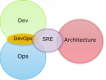
- Comparing Site Reliability Engineers and DevOps Engineers.
IT System Overview
- System architecture in on-premise and cloud environments.
Core SRE Principles and Practices
- Infrastructure as Code.
- The role of containerization and orchestration (e.g., Docker, Kubernetes).
- Continuous Integration, Continuous Deployment, and Continuous Delivery.
- Observability.
Assessing IT Systems
- Evaluating team and organizational resources.
- Mapping out systems and processes.
- Assessing the potential impact of SRE.
- The contribution of the software engineering team.
- The role of the operational team.
- The involvement of management.
Maintaining System Reliability
- Defining and measuring desired service reliability.
- Understanding Service Level Objectives (SLOs).
- Understanding Service Level Indicators (SLIs) and Service Level Agreements (SLAs).
- Managing Error Budgets.
- Formulating SLOs.
Optimizing System Administration
- Establishing a development environment.
- Evaluating SRE tools.
- Prioritizing automation tasks.
- Writing software.
Implementing Infrastructure as Code
- Testing and iterating on code.
- Building anti-fragile systems.
- Learning from failures.
System Monitoring
- Monitoring system performance.
- Utilizing SRE tools and techniques.
The Future of SRE
Requirements
- A foundational understanding of IT infrastructure.
- General knowledge of the software development lifecycle.
- Experience with programming or scripting in any language.
Target Audience
- Developers
- System Administrators
- Software Architects
- DevOps Engineers
- IT Managers
Testimonials (7)
How detailed subjects are explained with real world examples
Brian Hlabane - African Bank
Course - Site Reliability Engineering (SRE) Fundamentals
She is expert in area and provide really nice training. Material, training was really mix of examples , discussion and
Peter Tutka - Deutsche Telekom IT & Telecommunications Slovakia s.r.o.
Course - Site Reliability Engineering (SRE) Fundamentals
View on the SRE/ DevOps from more business/ theoretical point of view. Most helpful for people who already have the practical view.
Michael Varhol - Deutsche Telekom IT & Telecommunications Slovakia s.r.o.
Course - Site Reliability Engineering (SRE) Fundamentals
Approach of the training to send questionnaire before the training, so the training was planned accordingly to expectations. Brings the participants more active.
Stefan Girman - Deutsche Telekom IT & Telecommunications Slovakia s.r.o.
Course - Site Reliability Engineering (SRE) Fundamentals
Sticking to the initial survey from attendees about what should be the focus of training.
Denis Majorsky - Deutsche Telekom IT & Telecommunications Slovakia s.r.o.
Course - Site Reliability Engineering (SRE) Fundamentals
discussions , SRE definition
Daniel Horvath - Deutsche Telekom IT & Telecommunications Slovakia s.r.o.
Course - Site Reliability Engineering (SRE) Fundamentals
Concept of the training, keeping the people focused by asking them a questions and triggering discussions. Also group breakout sessions were great to think about things in groups and see different outcomes from other group.